Rails on a Polymer80 frame: locking block, rear module and why fit matters
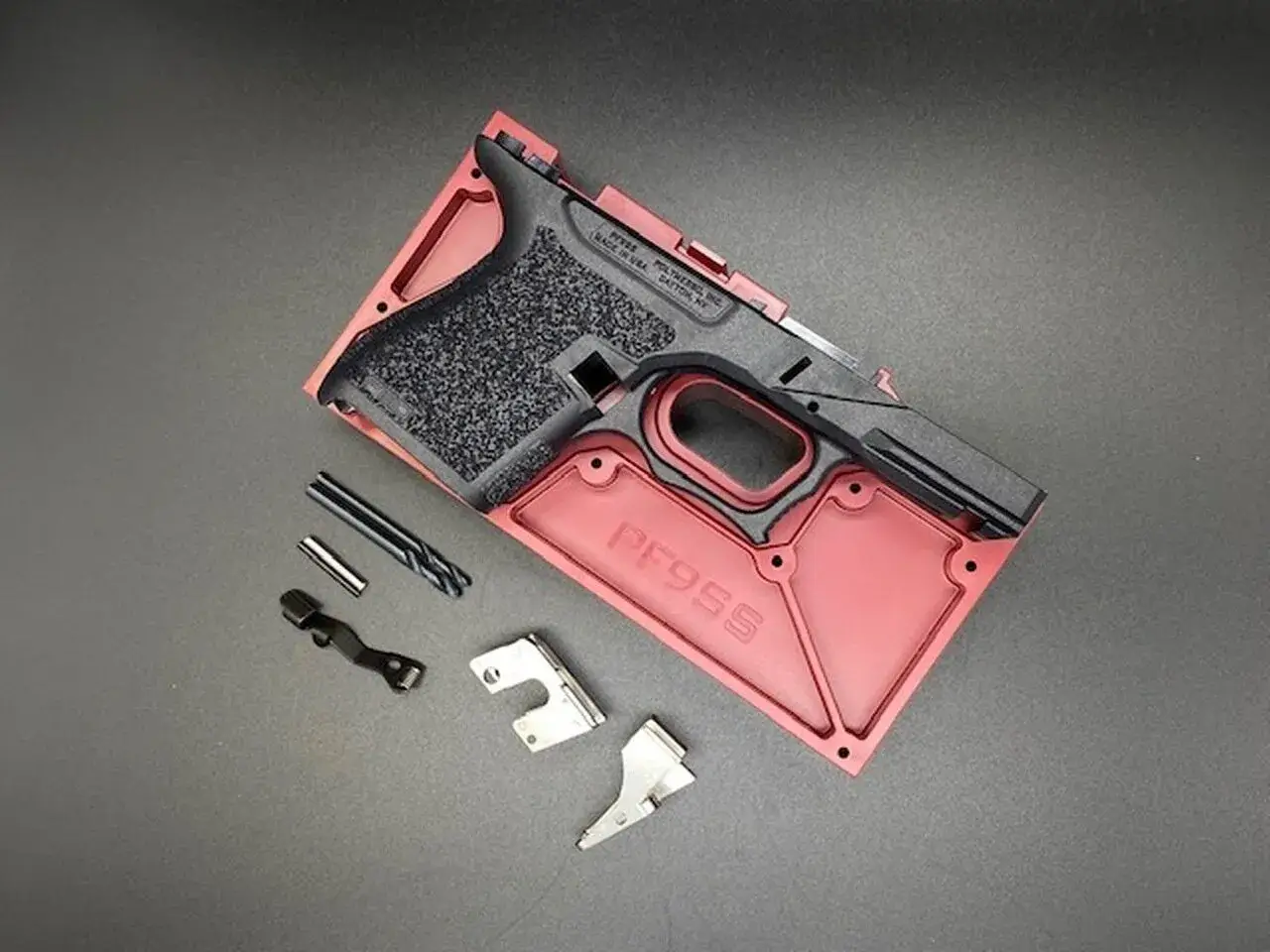
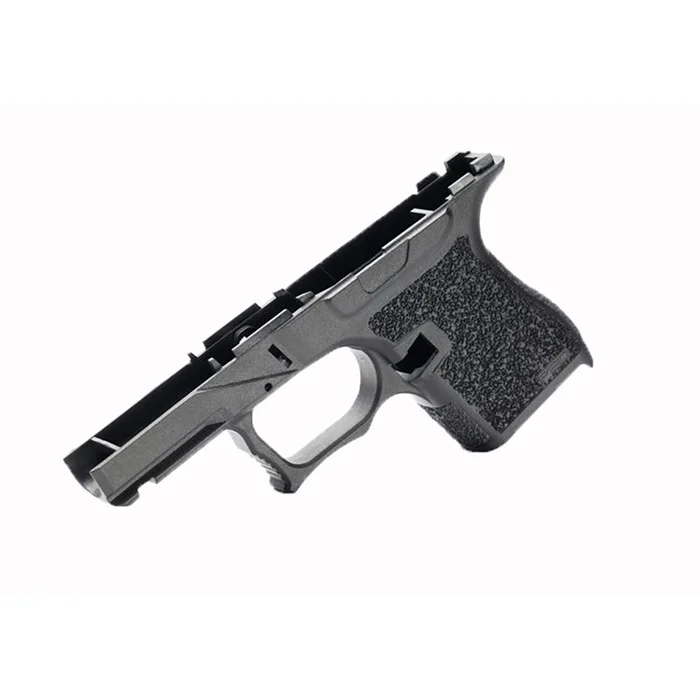
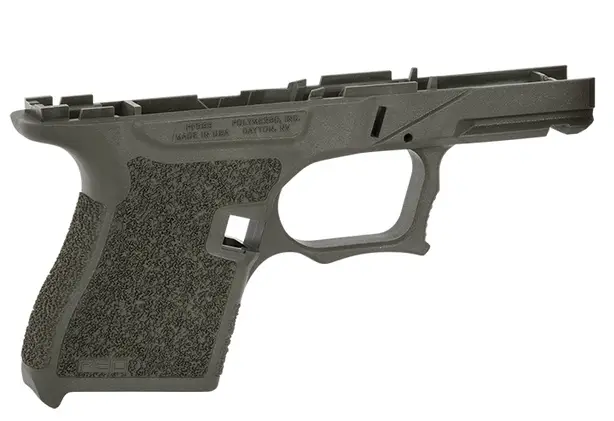
The two steel rail assemblies are the parts that turn a polymer shell into something a slide can ride on. Both come in the frame kit. Understanding what each one does makes the finishing cuts obvious.
The front locking block rail system
A single steel piece carrying the front slide rails and the seat for the locking block. It drops into the front of the frame once the barrel block is cut down, and the locking block pin holds it. If the slide binds at the front of its travel, this part is sitting proud because the barrel block was left high.
The rear rail module
Carries the rear slide rails and the trigger housing seat. It sits in the back of the frame after the rear tabs are removed, held by the trigger housing pin. A slide that is tight at the rear, or a frame that shows drag marks on the polymer, means the rear tabs need another pass.
Getting the height right
Both modules should sit flush and stay put with light finger pressure before the pins go in. They should not need forcing, and they should not rock. If a module rocks, the tab surface is uneven rather than too high; dress it flat with a file on a hard backing.
Reusing rails
Rails from an earlier Polymer80 kit fit a new frame of the same family. They are hardened steel and do not wear out at normal round counts. What does wear is the polymer around them if the frame was finished loose.
AR lowers do not use them
The RL556v3 and G150 have no rail modules; their equivalent work is the fire-control pocket and the three cross holes.
This is general information, not legal advice. Laws on unfinished frames and receivers vary by state and city and change often. Check the current law where you live before ordering.